Традиционные мешки для стирки против водорастворимых мешков для стирки: более безопасный и экологичный выбор
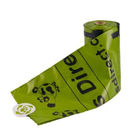
Работа с бельем в больницах, гостиницах и на промышленных объектах всегда была логистической проблемой. Традиционные мешки для стирки, обычно изготовленные из полиэтилена или ткани, служат простым контейнером для грязного белья. Однако они часто создают проблемы, связанные с гигиеной, воздействием на окружающую среду и операционной эффективностью. В отличие,водорастворимые мешки для стиркипредложить современное решение, которое решает эти проблемы, одновременно повышая безопасность и экологичность.
Свойства материала и растворения
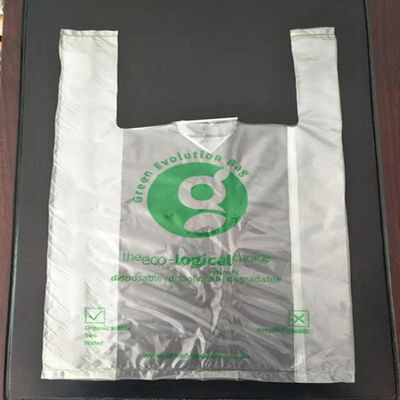
Традиционные мешки для стирки обычно представляют собой многоразовые или одноразовые пластиковые или текстильные мешки. Несмотря на свою долговечность, эти пакеты требуют ручной обработки и стирки, что может увеличить риск загрязнения. Водорастворимые мешки для стирки, напротив, изготавливаются изполивиниловый спирт (ПВА)пленка, полностью растворяющаяся в воде. Когда загрязненное белье помещается внутрь и погружается в воду, пакет полностью растворяется, высвобождая содержимое, не требуя прямого контакта. Эта функция избавляет персонал от необходимости обращаться с загрязненными предметами, что значительно снижает воздействие потенциально инфекционных материалов.
Экологические преимущества
Традиционные одноразовые мешки для стирки способствуют образованию пластиковых отходов и требуют дополнительной энергии для чистки многоразовых текстильных мешков. Для сравнения, водорастворимые пакеты из ПВАбиоразлагаемый в водной средеи не оставлять остаточных отходов упаковки после растворения. Таким образом, предприятия, использующие водорастворимые мешки для стирки, могут уменьшить свое воздействие на окружающую среду. Кроме того, сведение к минимуму ручной обработки снижает расход воды и моющих средств во время последующей стирки, что еще больше способствует достижению целей устойчивого развития.
Предотвращение перекрестного загрязнения
Основная проблема с обычными мешками для стирки заключается в том,перекрестное загрязнениеособенно в сфере здравоохранения и гостиничного бизнеса. Обращение с грязным бельем подвергает персонал воздействию болезнетворных микроорганизмов и увеличивает риск распространения инфекций между партиями белья. Водорастворимые пакеты снижают этот риск, позволяя транспортировать испачканные вещи и сразу погружать их в стиральную машину, не открывая пакет. Пакет растворяется во время стирки, предотвращая прямой контакт и эффективно удерживая инфекционные агенты.
Операционная эффективность
Водорастворимые мешки для белья также повышают эффективность рабочего процесса. Традиционные сумки часто требуют сортировки, обращения и дополнительных мер защиты. Пакеты ПВА упрощают эти процессы, объединяя защиту и транспортировку в одной растворяемой упаковке. Время персонала экономится, а процесс становится более безопасным и предсказуемым.
Выбор правильной сумки
При выборе водорастворимых мешков для стирки ключевыми факторами являются:время растворения,прочность сумки, исовместимость с циклами стиральных машин. Предприятия должны обеспечить полное растворение мешка при предполагаемой температуре воды и размере загрузки. Стандартный вес и размеры мешков обеспечивают стабильное дозирование и эффективную работу машины.
Заключение
Водорастворимые мешки для стирки предлагаютявное преимущество перед традиционными мешками для стиркипутем улучшения гигиены, предотвращения перекрестного загрязнения и продвижения экологически чистых методов. Их способность полностью растворяться в воде снижает воздействие на персонал патогенов, снижает количество пластиковых отходов и упрощает рабочие процессы. В частности, для объектов здравоохранения, гостиничного бизнеса и промышленных предприятий внедрение водорастворимых мешков для стирки представляет собой практический шаг на пути к более безопасному и устойчивому управлению стиркой.


 Ваше сообщение должно содержать от 20 до 3000 символов!